

By Elijah Smith
The U.S. economy is moving through familiar uncertainties: prices are still rising, growth has cooled, and consumer confidence appears shaky. While inflation has eased from its peak, costs are not falling fast enough for many households to feel relief.
How Inflation Is Holding Ground
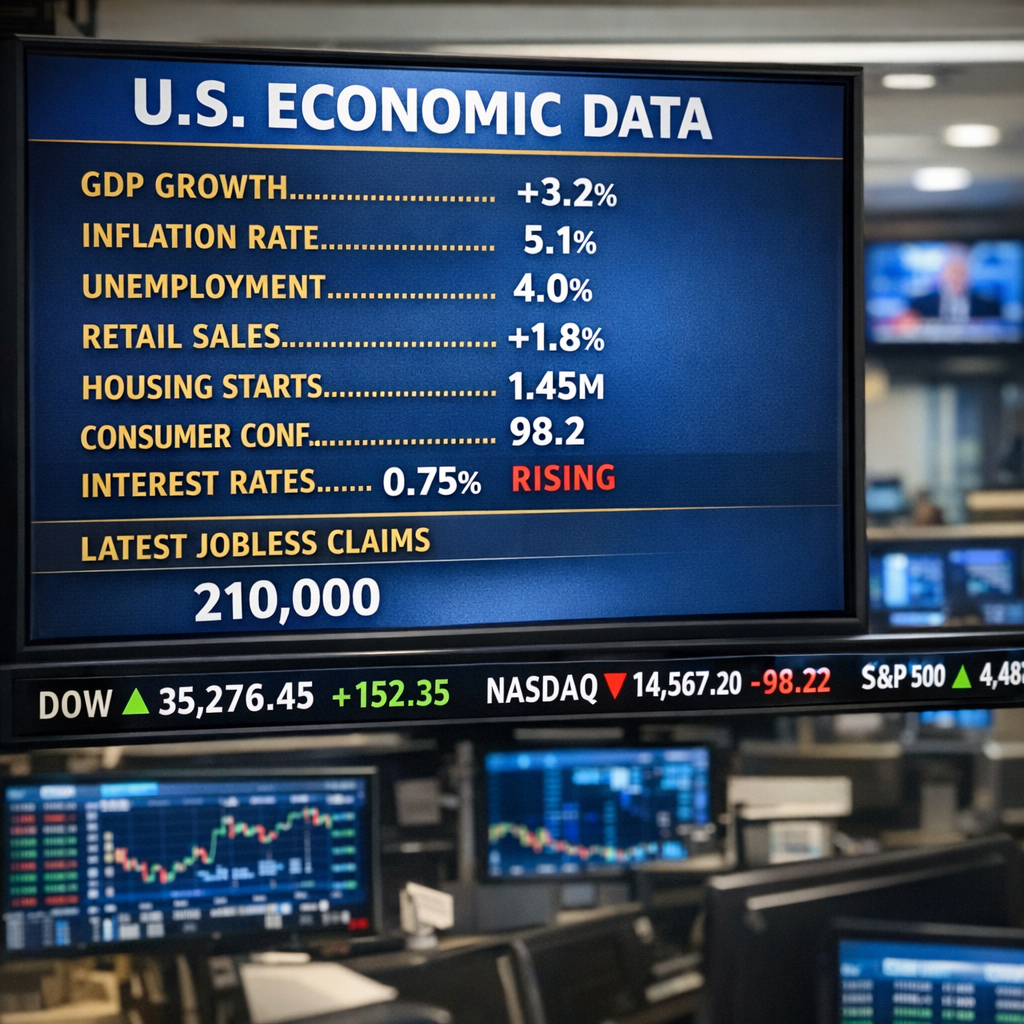
In July, consumer prices rose roughly 3.4% year-over-year, according to the Consumer Price Index. That’s slightly lower than the previous month but still well above the 2% target that many economists look to as a sign of healthy inflation. Energy prices pulled back somewhat – but shelter and food costs continued to inch up. Excluding food and energy, so-called “core” inflation ticked upward, showing that many everyday expenses remain sticky. The Federal Reserve’s preferred measures haven’t yet shown a strong downward trajectory to quell concerns.
Slow Growth, Uneven Strength
Gross Domestic Product grew at about a 1.5% annual rate in the second quarter—modest by historical standards and roughly in line with earlier estimates. But when volatile sectors like trade and government spending are excluded, underlying economic activity looks stronger, climbing nearer to 4%. That contrast highlights how base economic momentum is hidden beneath surface-level sluggishness.
Why It Matters to Individuals
- Income vs. Expenses: While disposable incomes have shown modest gains, costs for essentials—rent, groceries—are still rising faster in many communities. That squeeze limits how much people can save or spend on discretionary items.
- Spending Patterns: Consumer spending—especially beyond essentials—has diminished. That decline helps tame inflation but can slow economic growth overall.
- Rates & Policy: The Federal Reserve and lawmakers are walking a tightrope. Raise rates too far and risk economic contraction; ease up too soon and inflation could reignite. Policy choices now will affect everything from mortgages to loan costs to public services.
Looking Ahead: What to Watch
Households should keep an eye on a few key indicators:
- PCE Reports, the core inflation measure preferred by the Fed, especially for indications of how food and housing costs are trending.
- Consumer Sentiment Surveys showing how people view their financial outlook—these often foreshadow shifts in spending.
- Job Market Trends, including wage growth and unemployment claims, which can either support upward inflation pressure or ease it.
- Policy Moves at both the central bank and Congress, especially where spending, tax policy, and regulation intersect with inflation and growth.
The economy isn’t crashing, but it’s at a crossroads. For Charleston residents and Americans at large, the path forward depends as much on how policies adjust as on what the next data points reveal.